
How to Test Clothing Designs Before Production With Samples

A photo-ready sample isn't a production green light. To learn how to test your clothing designs before production, use a staged process: approve at least one prototype, then assess a sample made with all the materials planned for production before buying those materials in bulk and starting full production. Each stage should test a different risk, from fit and fabric to finish and customer response.
It makes sense to want feedback before committing to bulk production, but likes and comments alone can’t show whether a design will work as a finished garment. This guide explains how to test your clothing designs before production through sample development, fittings, wear tests, and clear approval decisions. You’ll learn what to assess at each stage and how to address issues before production begins.
Table of Contents
How professionals choose poll questions about color, graphics, fit, fabric, and price
2. How professionals create sample garments and evaluate sample images
3. Prototype, fit, sew-by, pre-production, size-run, and top-of-production samples
4. How a manufacturer plans a staged testing workflow before bulk production
How professionals choose poll questions about color, graphics, fit, fabric, and price
Useful polls isolate one design decision at a time. Ask which of three colorways people prefer, whether a graphic feels too large, or which neckline looks most wearable. Show clear, comparable options so people respond to the design rather than the presentation. A preferred colorway can guide development, but it doesn’t predict sales.
Fit questions need context. Ask whether a silhouette looks relaxed or close-fitting, and which area appears uncomfortable in a design image. Pair this feedback with a sample fitting: a picture can’t show movement, comfort, or how fabric drapes on a body. For price research, ask what respondents would be willing to pay, then compare their answers with the actual production requirements. Likes, comments, and saves show attention, not confirmed buying intent.
Skipping pre-production tests can carry avoidable problems into a bulk run. For graphic apparel brands like whimspin.com, a popular graphic may not work on the finished garment, while fit, fabric, or trim issues can contribute to customer dissatisfaction and returns.
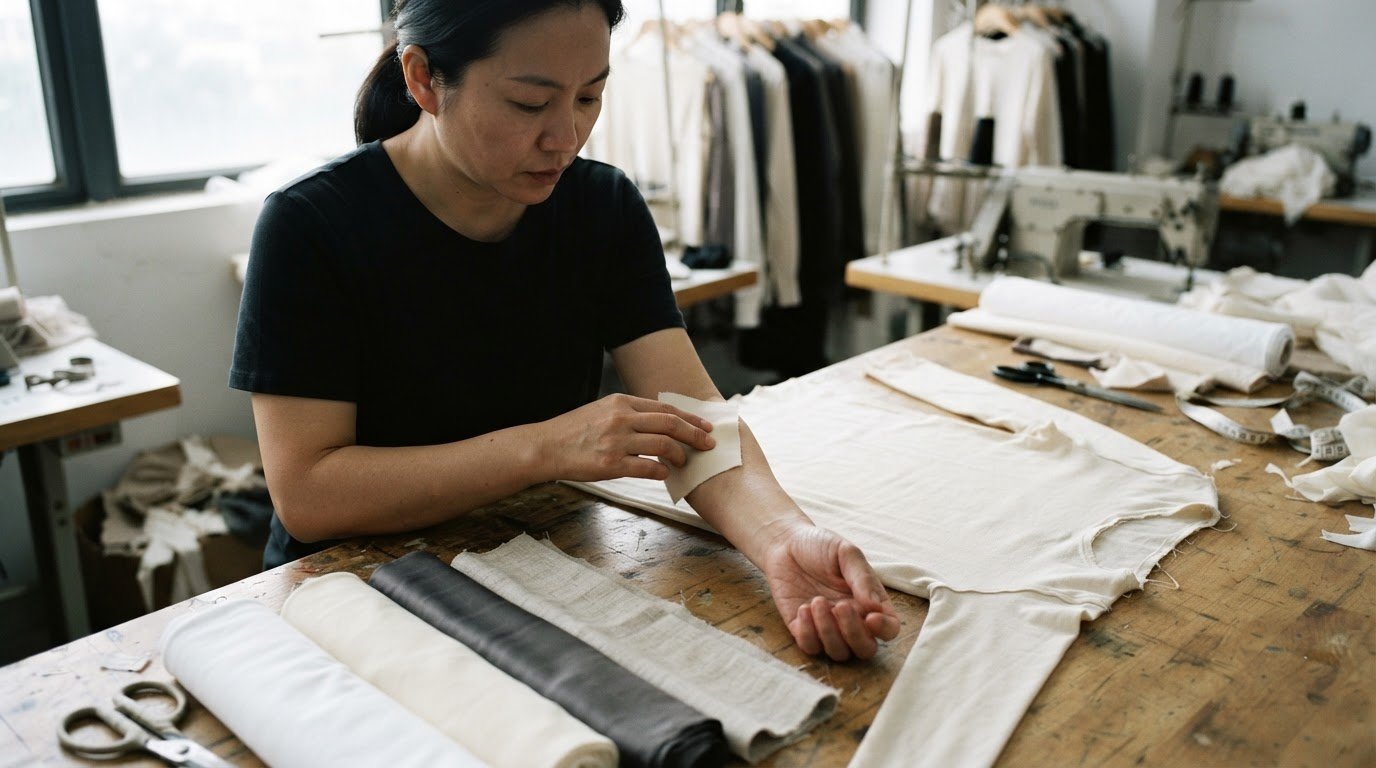
Fabric selection begins with swatches in different colors and weights. A manufacturer can help compare their hand, drape, stretch, and opacity against the design’s needs. The chosen fabric affects pattern drafting: organza and spandex, for example, require different pattern considerations. Fabric orders can take 2-6 weeks, and custom fabric orders can take 4-10 weeks; trim orders can take 2-6 weeks, or 4-10 weeks for custom orders.
Early pattern adjustments can be tested without using the selected production fabric. A manufacturer can sew a test garment in inexpensive cotton, revise the pattern, and then develop a sample in the chosen fabric with the planned trims. The finished sample should match the intended retail garment’s construction and finish. Reviewing the fabric, trims, and how they work together gives the team a clearer basis for production approval.
2. How professionals create sample garments and evaluate sample images
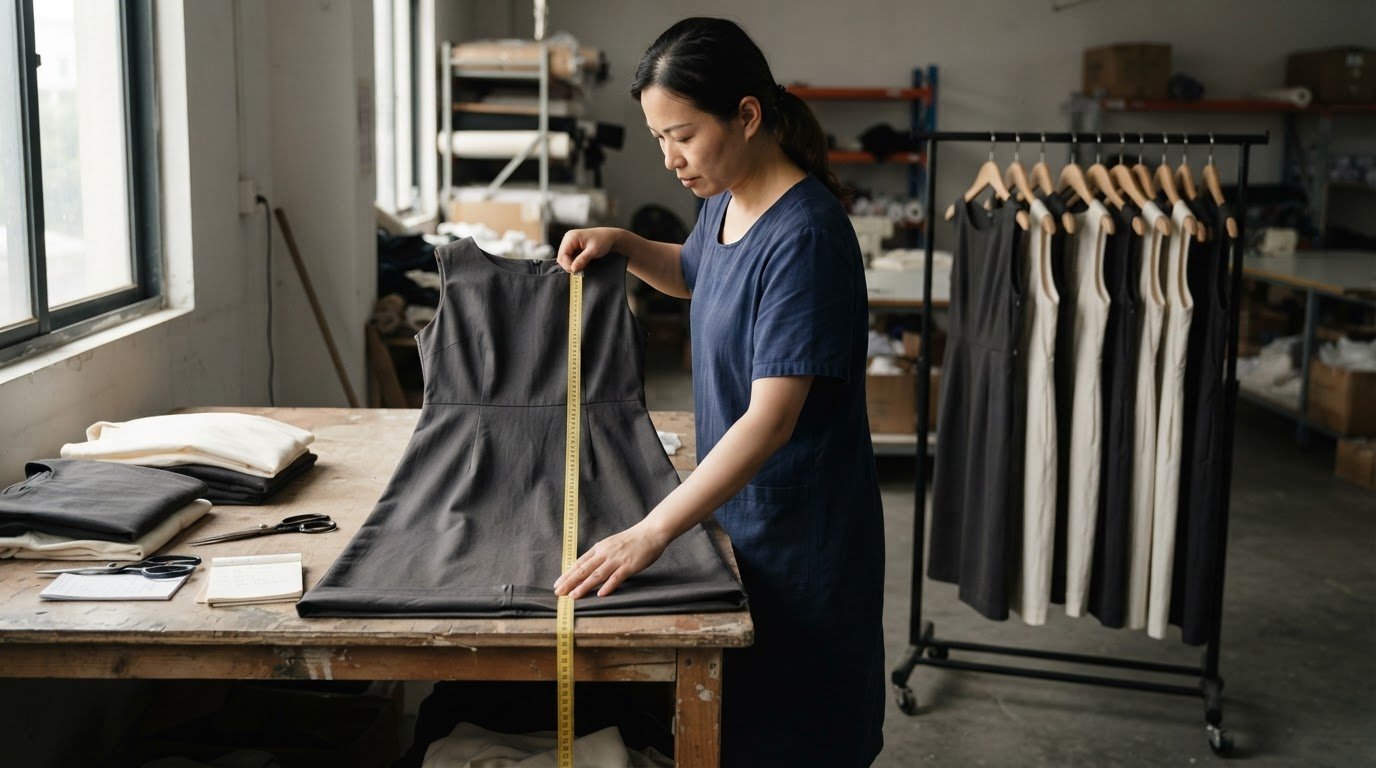
A manufacturer turns the design brief into a garment sample that can be assessed against the intended construction. The tech pack gives the production team shared specifications, including measurements, materials, and sizes. Specific details reduce guesswork: a measurement chart, for example, gives the team dimensions to follow rather than relying on a sketch alone.
Document both the garment’s overall shape and its construction details. Record the selected materials, measurements, size information, and placement of design elements such as graphics or pockets. The sample pattern should also describe its contents and the fabric yardage required. These records connect the physical sample to the design brief and make revisions easier to communicate.
Images can reveal visible differences before a review, but they have limits. A front view may show graphic placement, while a back view can reveal a seam or closure detail. Close-ups help assess visible stitching and trim placement. A garment that photographs well doesn’t prove sales potential, and images can’t show how it moves or feels when worn.
During a physical review, compare the sample with its measurements and documented design details. Check whether the silhouette, seams, closures, graphics, and finish match the brief. A fit model shows how the garment sits on a body; during fitting, note comfort, measurements, and opacity. Specific revision notes, such as adjusting a hem or moving a graphic, give the pattern maker a clear next step.
Professional sample development brings these specifications, images, and fitting observations into one review cycle. The sample is revised when it misses a requirement, then assessed again against the same documented details. This creates a clearer approval basis before the design advances toward production.
3. Prototype, fit, sew-by, pre-production, size-run, and top-of-production samples
Treat sampling as a sequence of decisions, not a single approval. A prototype tests shape and construction; a fit sample shows how the garment sits and moves on a fit model. During fittings, record measurements, comfort, opacity, and movement, then give the pattern maker specific changes. Recurring fit complaints during wear testing are a signal to revise the design.
Fashion development takes about four to six weeks, and sampling may include one to three prototype rounds. Brands typically need two to three samples per style during sampling, though the work in each round depends on what needs testing. A sew-by sample can clarify construction details, while a size-run review checks how the approved pattern translates across planned sizes. Final patterns should be approved for every size intended for sale.
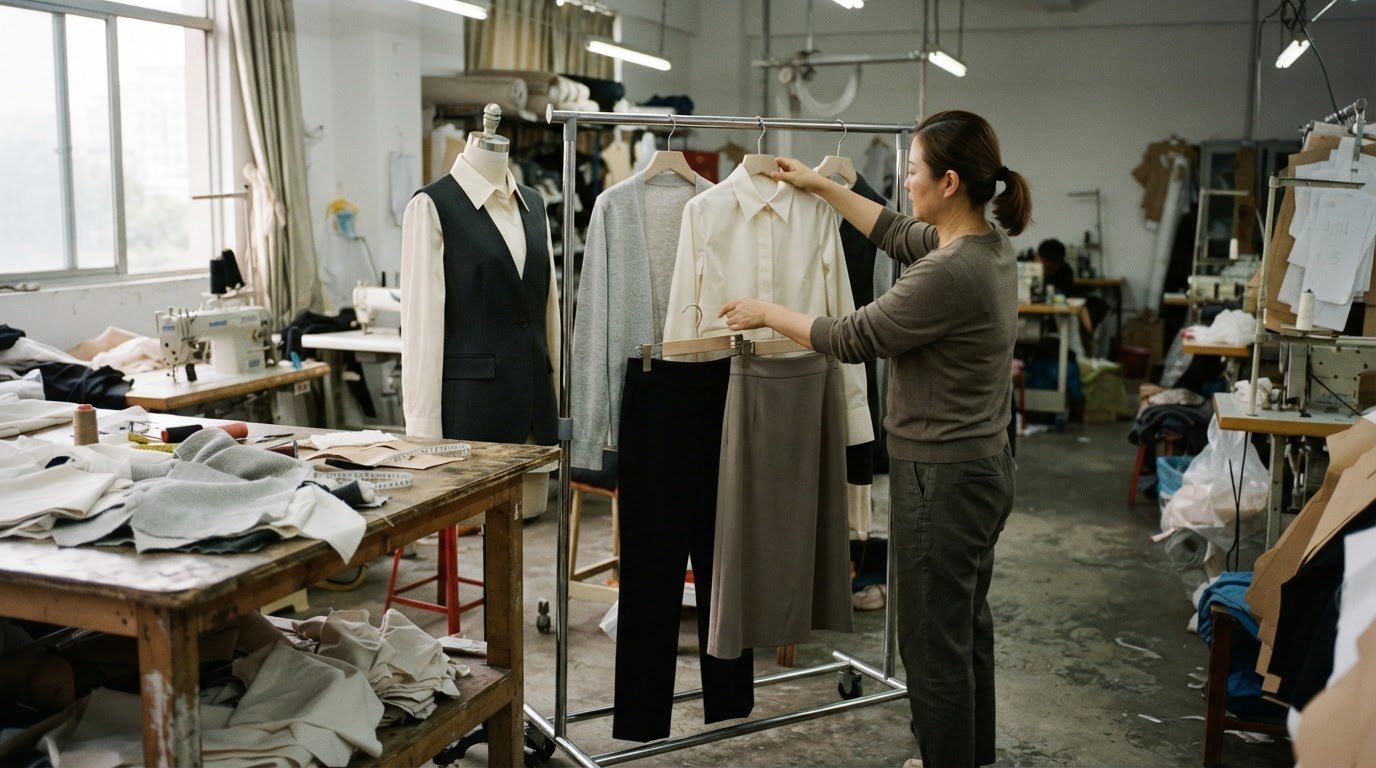
Test a pre-production sample against the design brief and production requirements. Compare its measurements, materials, construction, trims, and finish with the approved specifications. Approve a final sample made with all planned production materials before buying those materials in bulk and starting full production. Then review a top-of-production garment against the approved sample for consistency.
Wear-test participants should reflect the intended fit and use of the garment; the manufacturer considers the size range and the feedback needed to identify recurring issues. The participant count depends on the test’s purpose, while sample rounds respond to what each review uncovers. A clothing brand should approve at least one prototype before production.
Pattern revisions follow documented fitting notes. If the fabric changes after pattern drafting, the pattern may need redrafting because materials behave differently. The manufacturer makes further samples until each requirement is met, then tests movement and durability before approval. This staged review gives production a clear reference and helps catch differences before a full run begins.
4. How a manufacturer plans a staged testing workflow before bulk production
A staged workflow limits unresolved design decisions before bulk production. A manufacturer can begin with 2 to 4 narrowed design options, then compare feedback on the remaining concepts. Poll responses show preferences, while pre-sales offer evidence of willingness to pay. Neither likes nor early orders replace checks on construction complexity and delivery risk.
A practical answer to how to test your clothing designs before production is to give every stage a clear decision. After choosing a direction, develop a prototype to assess shape, fit, and fabric behavior. A fitting or wear test can reveal movement and comfort issues that concept images can’t show. Document the findings, revise the pattern, and make another sample when changes affect fit or construction.
Before full production, test a sample made with all planned production materials. Check movement, durability, fit, and finish against the approved requirements. If the fabric changes after pattern drafting, the pattern may need redrafting. Resolving material and pattern questions before bulk purchasing helps prevent avoidable changes during production.
Approval is a decision point, not a prediction of demand or a guarantee that every item will match. A successful sample shows that the design meets its requirements in that garment; it doesn’t establish that every item in a small run will be identical. A small-batch run can test operations and quality, but weak demand may only become clear afterward. Pair garment checks with meaningful demand signals.
The question of how to test your clothing designs before production is best answered with a sequence: narrow options, make and revise samples, test planned materials, then approve the next stage. At each point, the manufacturer records whether the design should proceed, change, or pause. This gives the team a shared record of decisions and outstanding issues before committing to a bulk run.
PowerSweet Fashion: Custom Women's Clothing Production
PowerSweet Fashion supports brands moving from design testing to production-ready women’s clothing. Its Sample Development turns design specifications into physical garments for review, while Fabric Sourcing helps with material selection. Once the sample meets the agreed requirements, Custom Women’s Clothing Production and Quality Control Services support the next stage.
This is a practical next step when you need a manufacturer to coordinate sampling, materials, and production rather than manage each stage separately. Samples are ready in 10 days, and bulk production takes 15-20 days. The workflow gives your team a defined path from sample review to production, with approval decisions made before the bulk run.
To discuss your design and sampling needs, contact PowerSweet Fashion.
Turn design decisions into your next development brief
Knowing how to test your clothing designs before production also means building a repeatable decision process. Carry what you learn into the next collection: record which choices were approved, which needed revision, and what criteria shaped each decision. That record gives your team a practical starting point for future development and connects creative direction with production requirements.
Before moving forward, align the people responsible for design, fit, and production around the same approved brief. Clear ownership of decisions can prevent late changes from reopening issues the team has resolved. Treat each approval as a reference point, not just a final sign-off.
When you’re ready to move from design decisions into professional development, start a conversation with PowerSweet Fashion. A focused discussion about your design goals can help set the next steps in motion. Your next collection can begin with a clear plan.
Frequently Asked Questions
How does a manufacturer create and evaluate a clothing prototype or sample?
A manufacturer turns the design brief into a prototype, then evaluates it against the intended garment and production requirements. For example, the team can compare a sample jacket’s pocket placement, closure, and silhouette with the approved design drawing. It documents differences, revises the pattern or construction details, and reviews the next sample against those notes. This creates a traceable basis for approval.
How does a manufacturer conduct fit testing across sizes and body types?
A manufacturer assesses fit on models representing the intended size range, then compares each garment with its size-specific pattern and measurements. A sleeve that fits well in one size may restrict movement in another, so each planned size needs its own review. Fit notes should distinguish pattern changes from styling preferences, helping the team decide whether to revise grading, proportions, or construction.
What fabric and garment performance tests can a manufacturer arrange before production?
Assess fabric and garment performance with checks suited to the design’s intended use. For a stretch top, focus on recovery, opacity, and comfort during movement; a structured skirt may need checks for drape and shape retention. The brand and manufacturer should define test conditions and acceptance criteria before sampling, then record results against the selected materials.
How can a manufacturer test clothing designs with potential customers?
A manufacturer can support customer testing by preparing clear sample images or garments for focused feedback. Ask participants to compare specific options, such as two necklines or graphic placements, rather than requesting broad opinions. If using pre-sales, consider whether the design’s construction and delivery plan can support the response. Positive reactions can guide decisions, but don’t prove demand on their own.
How does a manufacturer test garment durability, shrinkage, colorfastness, and seam strength?
Agree on checks suited to the garment’s materials and intended care. For example, wash a sample according to its planned care instructions, then inspect it for dimensional change, color transfer, seam damage, and changes in appearance. Record its condition before and after testing and compare the results with agreed requirements. This helps identify concerns before committing production materials.
Comments