
How to Ensure Bulk Production Matches Your Approved Garment Sample

A sample can look right and still fail to predict a consistent bulk run. In clothing sample vs bulk production, the approved pre-production sample serves as the reference for garments made in larger quantities. The sample confirms the intended design; bulk production must reproduce its materials, measurements, construction, and finish consistently.
That gap is why a sample is more than a visual preview. Fabric behavior, clear production notes, and the shift from a sample room to a manufacturing line can all affect the finished garments. Learn how these factors influence consistency, what a production sample can reveal, and why checking garments from the bulk run matters.
This guide explains the difference between sample stages and bulk manufacturing, and how approved materials and construction guide production. It also covers how a sample taken from the production line can reveal differences while the run is underway.
Table of Contents
What Is the Difference Between Sampling and Bulk Production?
Sampling develops and checks individual garments; bulk production reproduces the approved reference across hundreds or thousands of garments. In the clothing sample vs bulk production comparison, the key distinction is the shift from testing decisions to repeating them consistently.
Approval gates turn design choices into clear production requirements. Fit approval updates the pattern; pre-production approval confirms the actual materials and construction planned for the run.
Sample Approval Stages and Criteria
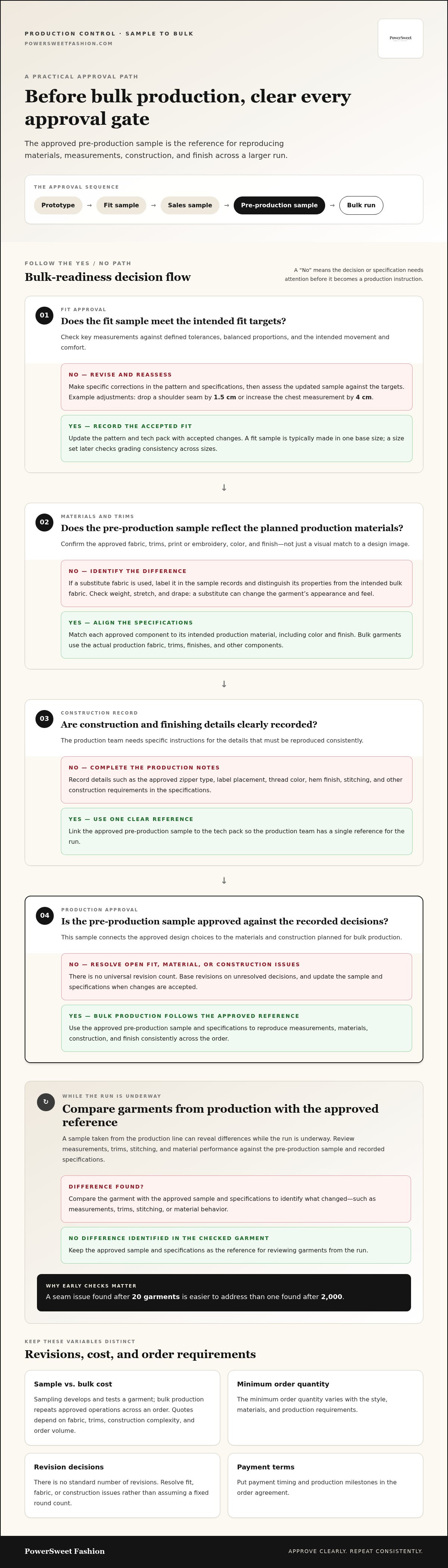
Sample approval is a series of decision gates that ends with a production reference. A common sequence moves from prototype to fit sample, sales sample, and pre-production sample before bulk production. Each gate produces a physical garment and a record of decisions, such as revised measurements, fabric, trims, stitching, and finishing.
At fit approval, confirm that key measurements meet targets within defined tolerances, proportions are balanced, and movement and comfort meet the intended standard. The final pre-production sample should reflect those decisions. Link its approval to the tech pack so the production team has a single reference for the run.
Fit Approval and Pattern Updates
Fit approval confirms how a garment sits and moves, then translates accepted changes into the pattern and specifications. A fit sample is typically made in one base size, allowing the team to focus on silhouette, proportions, and comfort before grading the full size range.
Make corrections specific. For example, a shoulder seam may need to drop by 1.5 cm, or the chest measurement may need to increase by 4 cm. Record each accepted change in the pattern and tech pack, then assess the updated sample against those targets. A size set later checks grading consistency across sizes.
Sample and Bulk Garment Differences
A sample and its bulk garments can differ if their materials or production details differ. A fit sample may use available fabric or a close alternative, while bulk garments use the actual production fabric, trims, and finishes. Even a similar substitute can behave differently in weight, stretch, or drape, changing the garment’s appearance and feel.
Color can also vary with fabric choice, dyeing, and finishing, so the approved material and color reference matter. Fit should follow the approved measurements, while bulk sizing also depends on consistent grading across the range. Compare the pre-production sample with production materials and recorded specifications, not just a design image.
Costs, Revisions, and Order Requirements
Sample and bulk costs reflect different work: sampling develops and tests a garment, while bulk production repeats approved operations across an order. Quotes depend on fabric, trims, construction complexity, and order volume. Payment terms belong in the order agreement, with payment timing and production milestones clearly stated.
There is no universal revision count; revisions depend on unresolved fit, fabric, or construction decisions. The minimum order quantity also varies with style, materials, and production requirements. Bulk production should follow the approved pre-production sample and specifications. Starting without that reference risks repeated defects: a seam issue found after 20 garments is easier to address than one found after 2,000.
Pre-production sample materials and construction
A pre-production sample connects approved design decisions with the materials and construction planned for bulk garments. Its value depends on how clearly the fabric, trims, finishes, and construction details match the production specifications.
Materials and Trims Across Sample Stages
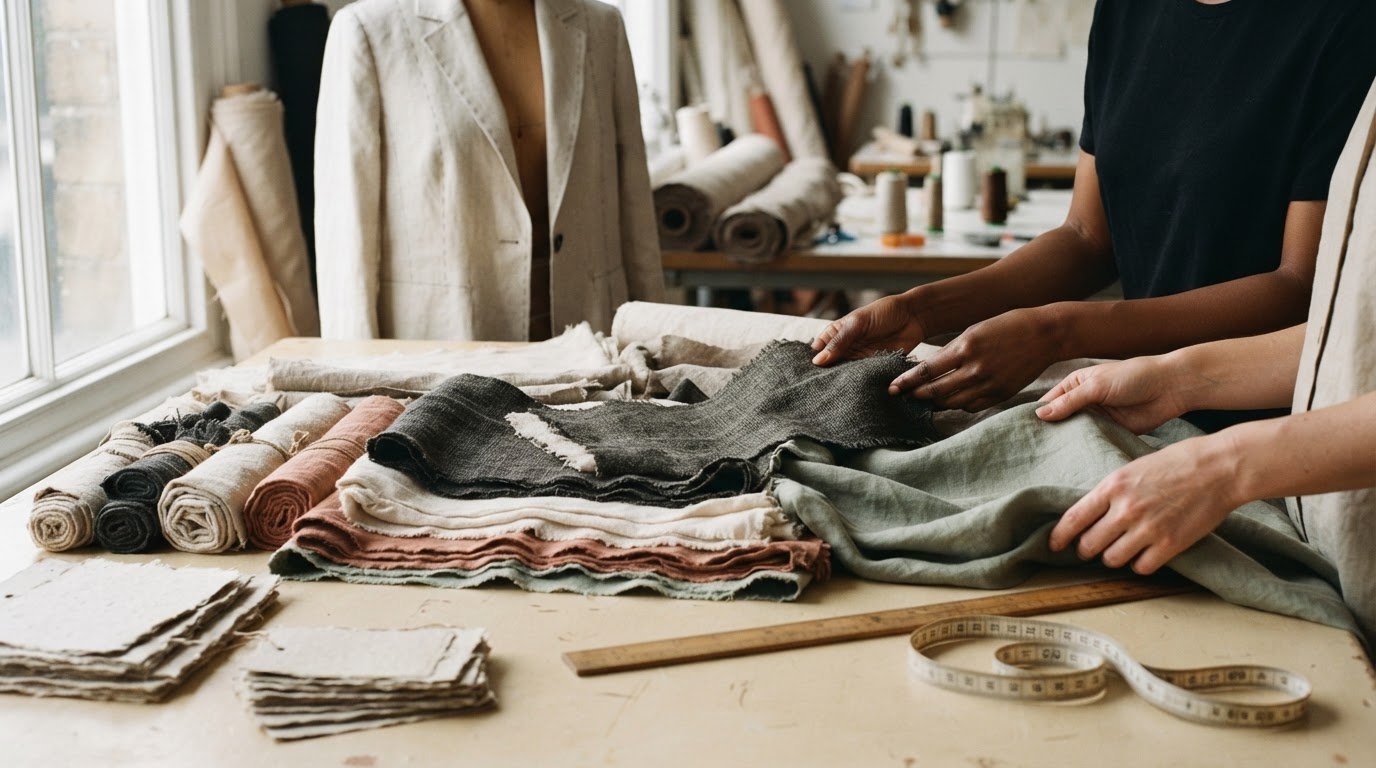
Materials can change as a garment moves from an early prototype to a pre-production sample. A first sample may use available fabric to assess the overall look and construction feasibility, while later development checks details against the intended product. This distinction matters because fabric weight, stretch, and drape affect how a garment hangs and moves.
At the pre-production stage, align the sample with the approved fabric, trims, print or embroidery, construction, and finishing standards. Record those choices clearly in the specifications. For example, identify the approved zipper type, label placement, thread color, and hem finish so each detail has a production reference, rather than relying on a general description or image.
Material planning should connect sample approval to bulk fabric and trim requirements. Before production begins, match each component in the specifications to the intended production material, including color and finish. Fabric sourcing can help align material selection with the garment’s construction needs and the approved sample.
Sample and Bulk Material Differences
A substitute fabric can be used for a sample when it behaves like the intended fabric in weight, stretch, or drape. That makes it useful for evaluating shape and construction, but it does not make the substitute identical to the bulk material. If the exact fabric is being knitted or woven for the order, it may not be available when the pre-production sample is made.
Bulk garments use the actual production materials, including final fabric, trims, finishes, and other components. A fabric change can affect the garment’s feel, appearance, and performance, even when the pattern stays the same. Clearly label any substitute in the sample records, and distinguish its properties from those expected of the approved bulk fabric.
Fabric booking and material planning should follow the final specifications, not an early prototype. Tie each approved component to its intended color, finish, and construction use. For example, confirm that the lining, buttons, and outer fabric all correspond to the approved garment before production begins. This gives the team a practical comparison point if a bulk component looks or performs differently.
Keep the sample and materials record together. Include the fabric description, trim details, construction notes, and any approved substitutions. During sample development, these records help connect decisions made on the physical garment to materials selected for production, reducing ambiguity between the sample reference and the finished bulk garments.
Sample-room production versus manufacturing-line production
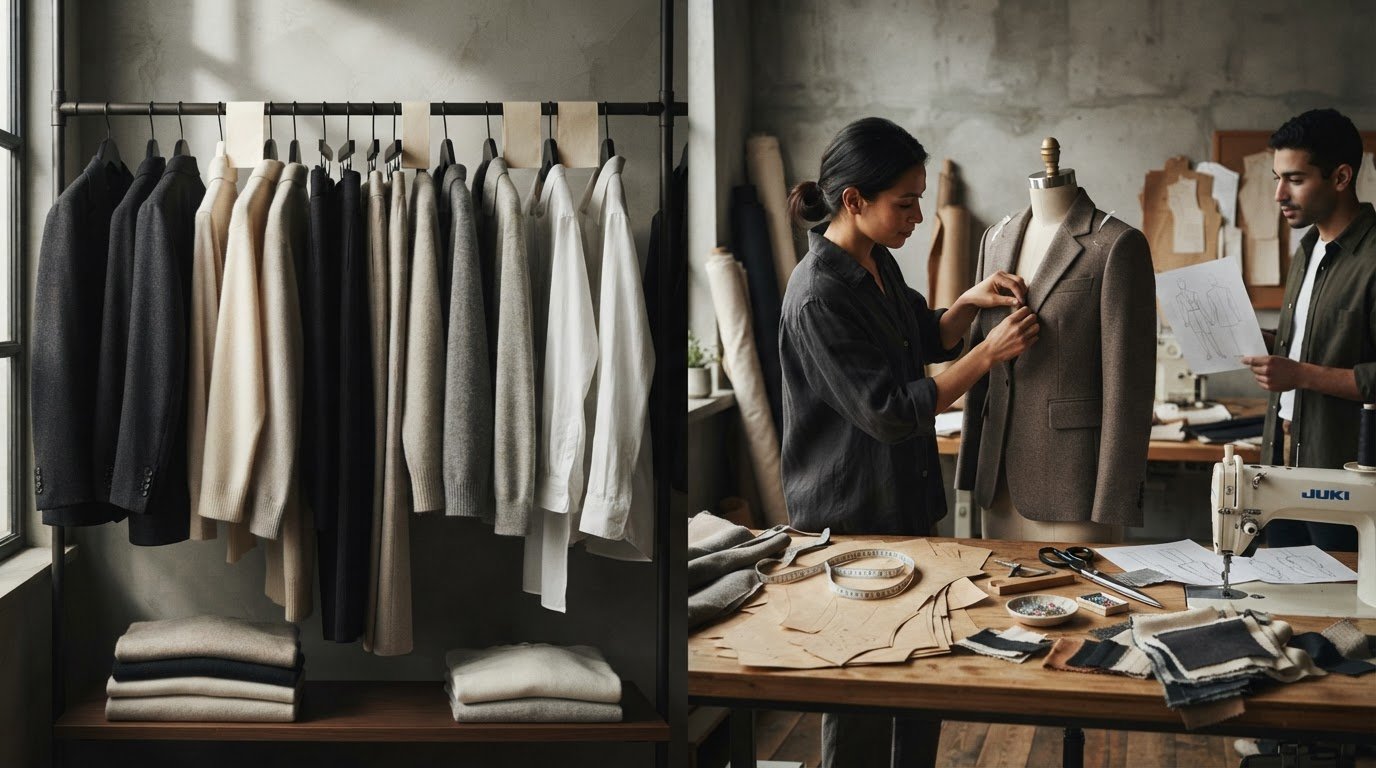
A sample room and a manufacturing line handle apparel at different scales. A sample is typically made by one person or a small team, while bulk manufacturing divides operations among workers with assigned tasks. This shift can affect how construction details are repeated, so the production reference must translate design intent into clear specifications.
A sample can be ready in 10 days, while bulk production takes 15-20 days. The sample phase develops and confirms the garment; the bulk phase applies the approved decisions across the order. These timelines describe different types of work, not simply different quantities.
Why the Production Method Changes
In a sample room, one maker may handle several steps and adjust construction while assembling the garment. On a manufacturing line, operators usually repeat specific tasks, such as attaching sleeves or finishing seams. A detail that looks straightforward on one sample can require precise instructions for consistent execution across the line.
For example, state the sleeve seam’s position, stitch type, and finishing method clearly in the tech pack. A physical reference also helps apparel teams interpret those instructions consistently, especially when a design has unusual shaping or layered construction.
Communicating Design Intent Across Teams
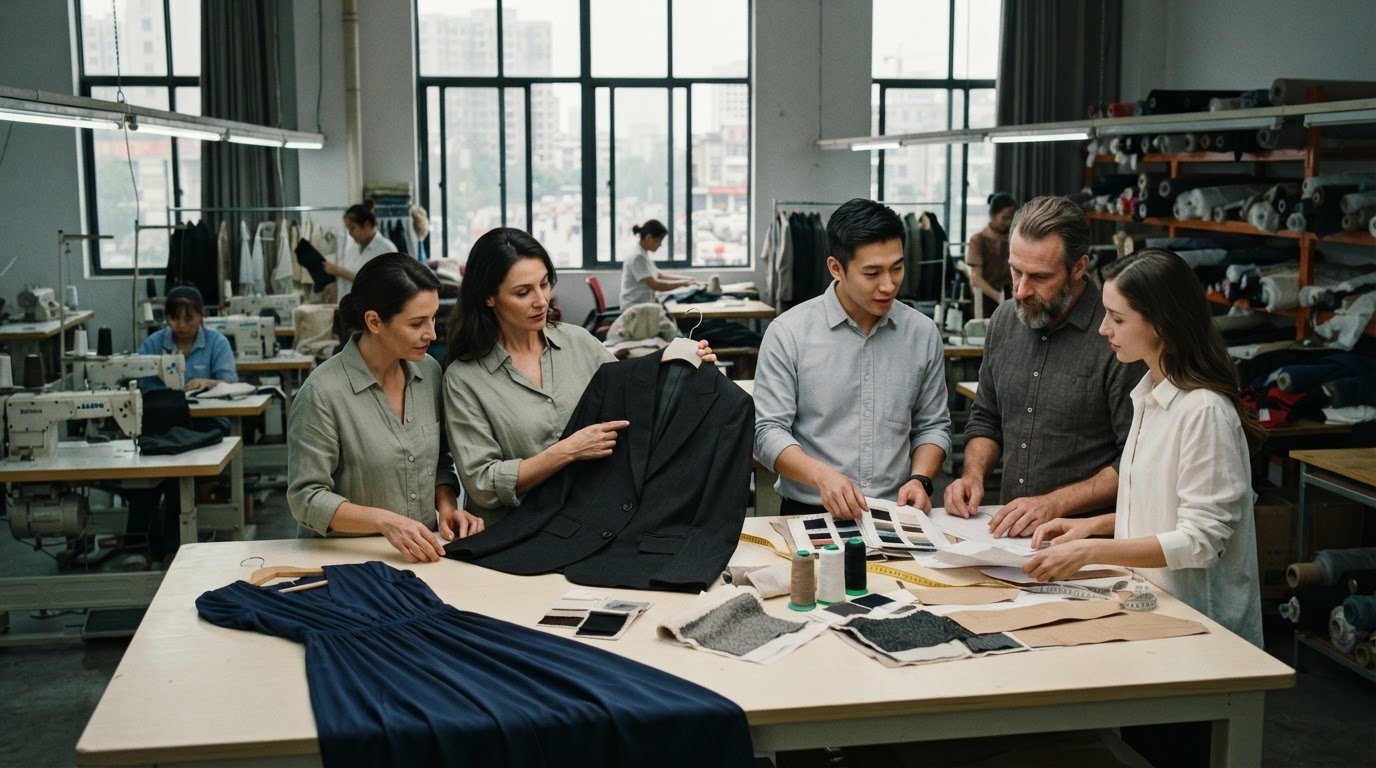
Overseas production adds distance between a brand’s design decisions and the people making the garments. A sketch alone may not show how a neckline sits or how a fabric moves. Pair drawings with measurement specifications, construction notes, and clear photographs of the approved sample. Mark close-up details, such as pocket placement or topstitching, to reduce ambiguity.
Physical samples also make discussions more concrete when teams use different technical terms. A clear reference lets both sides point to the same seam, trim, or finish. If a pre-production sample changes, communicate the revision before sign-off, then update the production documents so the line follows the latest decision.
Why Approval Must Precede Bulk Manufacturing
The pre-production sample is the final confirmation step before bulk manufacturing. It brings approved fit, materials, trims, construction, and finishing together in one physical garment. Treat approval as a production gate: record unresolved changes before the line begins, rather than leaving them open to interpretation during assembly.
That sequence limits costly ambiguity. Finding a seam issue after 20 garments is more manageable than discovering it after 2,000, when rework can disrupt production and affect materials. Use the approved sample alongside the tech pack, not as a replacement for written specifications.
A consistent workflow links the approved garment to the line through documented decisions, sample review, and timely communication. A sample-to-bulk production workflow gives brands a practical way to keep those handoffs clear.
Bulk samples taken from production
A sample made before production confirms a planned standard; a bulk sample tests what the line actually produces. Taken from the first units, it gives the brand and factory a physical comparison point while production is underway. This matters because line operators, actual materials, and repeated processes can expose differences that an earlier sample-room garment cannot reveal.
A Top of Production sample is taken from the line during production. It checks whether the emerging collection matches the approved reference while adjustments are still practical. Rather than treating it as another design sample, use it as a live production check: compare measurements, trim placement, stitching, and material performance with the approved standard.
Review the sample against the same specifications used for approval. A focused comparison can include:
Measurements: Compare garment dimensions with the approved size specifications and note any inconsistent points.
Trims: Check label, button, zipper, and branding placement against the sample.
Construction: Inspect seam execution, stitch consistency, and finishing at stress points.
Materials: Assess whether production fabric and components behave and look as intended.
Presentation: Compare labeling and packaging with the approved order details.
Each check answers a different question. A measurement difference may point to cutting or sewing variation; a misplaced label may indicate an unclear operation or reference. Fabric that drapes differently can change the garment’s silhouette, even when its pattern and measurements match. Record the issue, affected detail, and required adjustment clearly.
Timing gives this check its practical value. A Top of Production review happens after the line begins but before the run is complete. If a stitch or trim issue appears, the team can focus adjustments on the relevant operation and review subsequent garments. Additional production samples can help assess whether the correction holds across the run, rather than relying on one approved unit.
Keep the production sample as a physical benchmark for later comparison. Retain it alongside the approved pre-production sample and written specifications. Together, these references help distinguish an accepted design decision from a production variation. For remote teams, clear photos and notes identifying the exact seam, measurement, or trim make findings easier to communicate and act on.
The key takeaway: samples taken from production test execution, not just design intent. Compare them with the approved reference, document specific differences, and use follow-up checks to see whether adjustments have brought the bulk garments back into alignment.
How many sample revisions are typical before approving a bulk order?
There is no fixed revision count for every garment. It depends on whether sampling resolves fit, materials, construction, and finishing decisions. A simple design with clear specifications may need fewer changes than a garment with complex shaping or several components. The useful measure is not how many rounds have passed, but whether each approval gate has resolved its open issues.
Sampling can progress from prototype to fit sample, sales sample, and pre-production sample. These are distinct development stages, not a promised number of revisions. A prototype tests whether the design can be made; a fit sample evaluates shape and comfort. The pre-production sample brings approved decisions together as the final reference before bulk manufacturing begins.
Each review should identify the change, its location, and the required result. Instead of writing “improve the fit,” record the affected area and revised measurement in the tech pack. For a construction issue, identify the seam and required stitch or finish. Clear notes let the next sample test the correction rather than repeat the same discussion.
Group feedback by decision type so revisions address causes rather than symptoms:
Fit: Compare key measurements with targets and assess balance, movement, and comfort.
Materials: Confirm fabric, trims, and finishes reflect the intended production components.
Construction: Check seams, closures, and finishing against written specifications.
Consistency: Ensure the pattern and tech pack reflect accepted changes before approval.
A fit correction can affect other parts of the garment. Changing a sleeve shape, for example, can alter how it joins the bodice and moves at the underarm. Review the whole garment after a pattern update, not just the original problem area. If the correction introduces a new issue, document it and assess the revised sample again.
Approve the pre-production sample only when key measurements meet targets within defined tolerances, proportions are balanced, and comfort and movement meet the intended standard. The pattern and specifications must also reflect final decisions. Record approval against the physical sample and current tech pack. Communicate any later changes before sign-off to keep the production reference aligned with the written requirements.
Use sample development support to turn design feedback into clear pattern and sample updates. The goal is a resolved reference, not an arbitrary revision total: once fit, materials, and construction decisions are settled and documented, the approved sample can guide the bulk order.
PowerSweet Fashion: Custom Women's Clothing Production
PowerSweet Fashion supports brands moving from an approved garment sample to a bulk order through custom women’s clothing production and sample development. Fabric sourcing and quality control services support the process, from resolving material choices to checking production.
With low minimum order quantities, samples are ready in 10 days and bulk production takes 15-20 days. These timelines help brands plan the transition from sample approval to production while keeping the approved reference central to the process.
To discuss a production project based on your garment specifications, contact PowerSweet Fashion.
Carry Your Approved Design Into Production
The clothing sample vs bulk production gap is best managed as a handoff, not a finish line. Once a garment is approved, keep the design intent connected to the production decisions that follow. Assign responsibility for communicating changes, maintaining current specifications, and resolving questions before they reach the manufacturing line. This discipline helps protect the garment’s distinctive details as the collection moves forward.
PowerSweet Fashion supports that next step through custom women’s clothing production, sample development, and fabric sourcing. These services help brands move from design decisions toward a production-ready reference, with material choices tied to the intended result.
Bring your garment concept and production goals into the conversation. Contact PowerSweet Fashion to discuss a clear path from development to production, and keep your next collection moving with purpose.
Frequently Asked Questions
Why Is Garment Sampling So Important?
Garment sampling lets a brand evaluate a design as a physical product before committing to a production run. A sketch or digital image cannot show every issue with movement, comfort, or construction. For example, a sample fitting may reveal that a pocket opening is awkward to use or that a neckline shifts during wear. Resolving these details during development helps teams make informed decisions before repeating the design across an order.
What Is the Difference Between Clothing Samples and Bulk Production?
In a clothing sample vs bulk production comparison, the sample is a development or approval garment, while bulk production makes multiple garments to agreed specifications. A sample helps assess one design instance; bulk manufacturing depends on repeating approved decisions consistently. The sample can also communicate design intent across a team, providing a shared physical reference for pattern, construction, and production discussions.
What Types of Clothing Samples Are Made Before Bulk Production?
Common types include prototype, fit, sales, pre-production, and size-set samples. A prototype explores whether a design can be made; a fit sample helps assess silhouette and comfort. Sales samples can support buyer review or showroom presentation. A pre-production sample brings final production choices together, while a size set helps assess grading across the size range. The right sample depends on the next decision the brand needs to make.
How Can Brands Ensure Bulk Clothing Matches the Approved Sample?
Keep one clearly identified approved sample as the physical master, and link it to the current tech pack. Mark its style, color, size, and approval status so teams do not compare production garments against an outdated version. If a decision changes, update the specifications and sample reference together. For a multi-color style, document the approved color reference for each colorway rather than assuming one sample represents every option.
What payment terms and production rules apply to clothing samples and bulk orders?
Make payment timing and production milestones clear in the order agreement. Bulk production should follow the approved pre-production sample and specifications.
How much do clothing samples cost compared with bulk production?
Sample and bulk costs cover different work: sampling develops and tests a garment, while bulk production repeats approved operations. Pricing depends on fabric, trims, construction complexity, and order volume, and is provided after a quote request.
Comments